| balafon: a xylophone from Mali; original instrument of the jali
bomba: African-derived music and dance from coastal regions of Puerto Rico
caja/cajon: a box-shaped percussion instrument made of wood
capoeria: an Afro-Brazilian martial arts dance using acrobatic movement
cheres: a wide armored belt worn by men in the Carpathian Mountains
cimbalom: a stringed instrument related to the hammered dulcimer of Western Europe; also known as the tsimbl
cumbia: rhythmically mid-tempo song and dance popular in Colombia
cumbiamba: a traditional open-air party in Colombia’s Caribbean coastal region
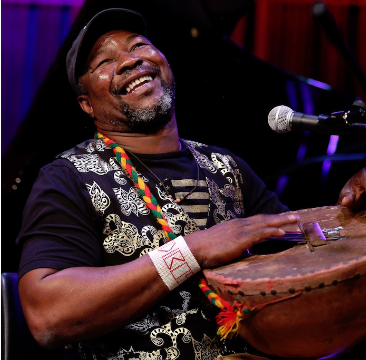
djembe: goblet shaped hand drum; perhaps the most popular drum from Africa
didgeridoo: an Australian aboriginal trumpet made from a eucalyptus branch; also used in Haitian music
doli: a widespread percussion instrument from the country of Georgia; made of a small wooden cylinder which is covered by leather
dumbek: a goblet shaped hand drum used in Arabic, Turksish & Balkan music
festejo: a festive Afro-Peruvian dance with a complex 6/8 rhythmic structure
güiro: a percussion instrument from Cuba and Puerto Rico made of a hollowed-out gourd and played with a scraper |
hora: a popular Jewish folk dance performed in a hand-held circle
klezmer: instrumental music of the Jews of Eastern Europe
jali: oral historian, musician and storyteller from the Mandinka culture of western Africa; also known as griot
kayagum: a Korean zither with movable bridges
kora: a stringed harp-lute from West Africa made from a gourd
lando: a slow, elegant Afro-Peruvian dance performed to a rhythm of the same name
mapalé: perhaps one of the purest African rhythms found in Colombia; an up-tempo rhythm played and danced at an incredibly fast speed for long periods of time
maculêlê: an Afro-Brazilian dance using sticks and machetes which imitates the cutting of sugar cane
maqam: a melodic modal system based on characteristic quarter tones scales
merengue: folk and popular music of the Dominican Republic played in a fast 2/4 meter
nay: an end-blown flute; from the Farsi for “reed”
ngoni: a plucked lute from West Africa
niggunim: mystical melodies associated with Hasidic Judaism
oud: a short-necked, fretless, plucked lute of the Arab world; the direct ancestor of the European lute |
pandereta: a handheld drum from Puerto Rico with stretched animal skins covering a round wooden frame
panduri: a fretted string instrument from the country of Georgia
plena: song form of Puerto Rico using frame drums and improvised lyrics of social and political commentary; also known as the “sung newspaper”
puya: song and dance form related to the cumbia of Colombia, although slightly faster rhythmically
qanun: a predecessor of the harp and piano; often referred to as the Arabic or Turkish zither
salamuri: an ancient wind instrument from the country of Georgia
samba de roda: a spontaneous dance from Brazil that is performed in a circle and has roots in Angola
son: popular song style of Cuba characterized by string accompaniment of guitar and percussion
timbales: mid-sized Afro-Cuban drums played with sticks; popular throughout Latin music
uilleann pipes: bellows-driven bagpipe of Ireland
vallenato: a form of dance music from Colombia’s Atlantic coast traditionally played with accordion and caja
yangqin: a Chinese version of the hammered dulcimer
zamacueca: an Afro-Peruvian couples dance once censored because of its sensual movements |